Owner Login
 Resident Login
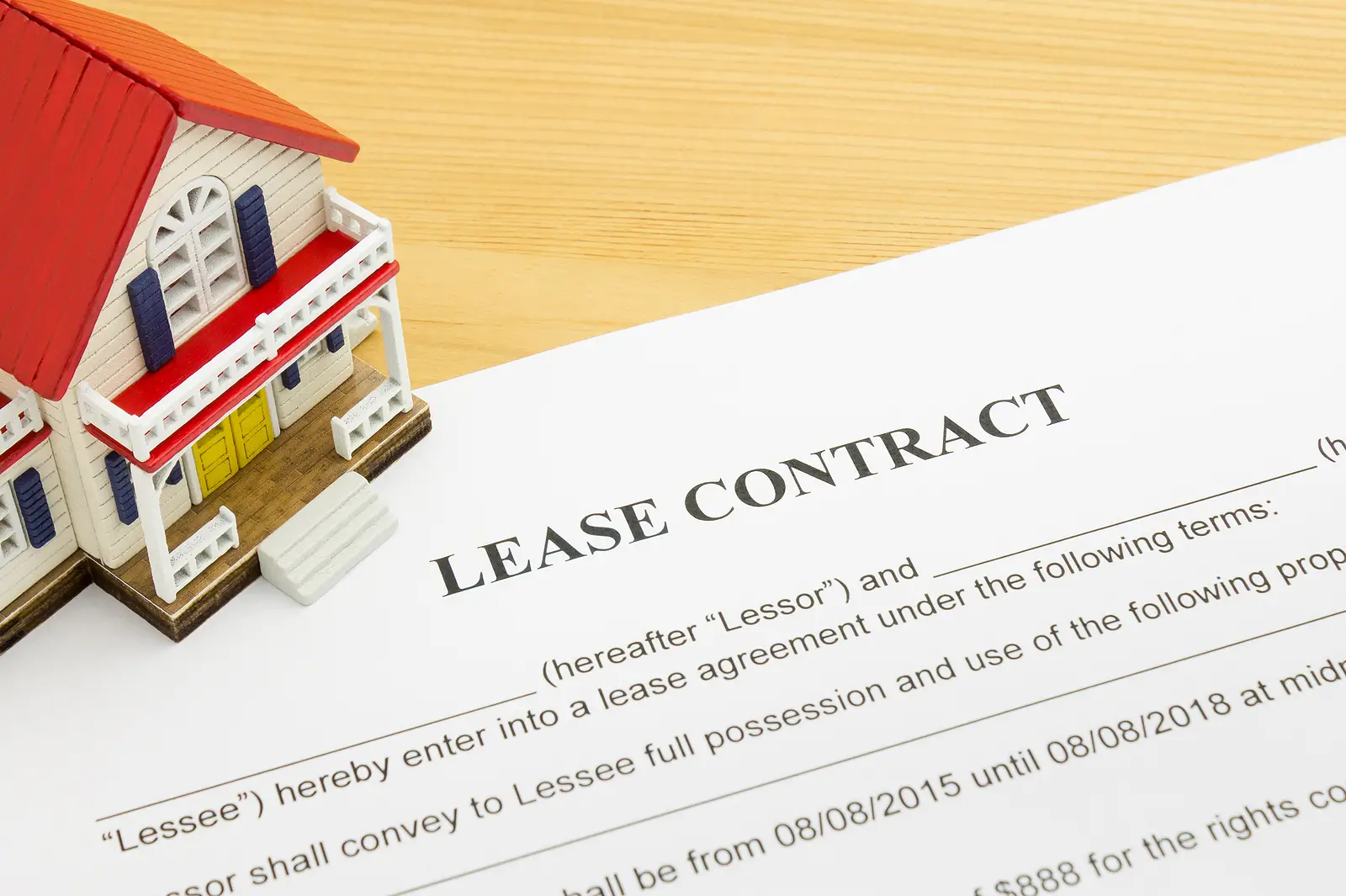
The lease agreement is a legally-binding contract that protects both landlords and tenants, and the included lease clauses establish the terms of your rental business. With that said, you need to add crucial terms that will ensure smooth operations on both sides.
In this blog, we will tackle not only the basics that every lease or rental agreement should have, but also the lease rules that would benefit multifamily properties the most.
Key Highlights:
- A lease agreement is a legally binding contract that protects both landlords and tenants by clearly defining rental terms and responsibilities.
- Basic clauses should cover essential items like rent, lease term, utilities, entry rights, occupancy limits, subletting, early termination, and move-out procedures.
- Multifamily properties require additional lease rules to address shared amenities, common areas, and community living standards.
- Clear pet policies, maintenance responsibilities, and security deposit terms help prevent disputes and protect the property.
- Strong clauses on cleaning standards, quiet hours, and proper use of premises promote smooth operations and long-term tenant satisfaction.
Basic Lease Agreement Terms
- Parties Involved: Full legal names of the landlord or property manager, along with the tenant(s). It should be clear who is legally responsible for rent and lease compliance.
- Property Description: Full rental property address, unit number, and description of included areas.
- Lease Term: Start and end date of the term, whether it's a month-to-month or fixed term lease, and renewal terms and notice requirements.
- Rent: The monthly rent amount, when rent payments are due, acceptable payment methods, grace period, and consequences for late payments (late fees).
- Utilities and Services: Who pays for utilities, shared utility arrangements, landscaping, and HOA.
- Entry and Notice: Landlord's right of entry during routine maintenance, required written notice period per local or state law, and emergency entry provisions.
- Occupancy Limits: List of approved occupants, restrictions on long-term guests, and consequences of unauthorized occupants.
- Subletting and Assignment: Whether subletting is allowed, the requirement for written landlord approval, and responsibilities over the sublessee.
- Early Termination: Conditions for early lease agreement termination, military clause, lease break fees, and notice requirements.
- Move-Out Procedures: Cleaning expectations, key return instructions, forwarding address requirement, and final inspection details.
- Quiet Hours: When the tenants need to keep noise low, what counts as excessive noise (ex. loud music), and what happens when violations occur.
- Severability Clause: Ensures that when state and local laws change, other contract provisions will not be rendered invalid.
Multifamily Property-Specific Lease Clauses
Listed below are lease clauses that would greatly benefit a multi-tenant living environment:
Pet Policies
Since pets will not only affect the rental property, but also other residents in the premises, your pet policies must outline rules that will protect all your tenants. That means including breed restrictions, common area limitations, and more.
When applicable, the lease agreement document must clarify that the pet deposit is different from the security deposit, along with other pet fees you may charge. Review the laws that concern service and emotional support animals to avoid legal disputes.
Maintenance and Repairs
Other than the procedure for maintenance requests and individual responsibilities for rental units, you must also include maintenance systems for shared amenities in the lease agreement, given how breakage can be a shared fault.
Explain what your duties are in terms of maintaining any facilities or amenities within the common areas, but also clarify that should a tenant cause any property damage, they will be liable to pay for repairs or replacements when needed.
Security Deposit
The clause for the security deposit will be similar to that of a single-family home lease agreement. Naturally, you have to mention the security deposit amount, conditions for deductions when tenants are held liable, timeline for return upon move-out, and compliance with state and local laws.
However, you also have to account for bills that need to be covered when shared amenities are damaged. Failing to include this in the lease document can lead to legal loopholes, keeping any of your tenants from paying for damages they caused outside of normal wear and tear.
Cleaning Clause
Many of the key components of a lease agreement are meant to keep the rental property in good condition, which is crucial to retaining tenant satisfaction. The cleaning clause should not only apply to respective rental units.
Both landlords and tenants are responsible for keeping the rental property clean. Cleanliness not only preserves the aesthetics of the place but also prevents unwanted effects like pest infestations and health risks.
Use of Premises
This is one of the most important clauses in a lease agreement, since it prevents your tenants from conducting any kind of illegal activity in the property during their rental term. It should be clear that their unit should be for residential purposes only.
If you ever allow businesses to be established around common areas, you should specify what the tenant's financial responsibilities are, along with the legal requirements in San Diego. You can also require additional fees to cover utilities and cleaning costs when needed.
Multifamily Property Lease Agreement FAQs
Are there lease agreement clauses that are specific to multifamily rental properties?
- Yes, given how you have to consider the other tenants living in the rental property. Pet policies, for example, should be modified to prevent unwanted encounters with pets that can harm other residents.
What is a severability clause in a lease agreement?
- It is a clause that keeps the rest of your lease agreement terms valid, even when landlord-tenant laws shift, or if you make changes of your own to the lease agreement. A simple termination clause can be rendered null just by changing rent due dates. If you're not sure about the legal complexities of a lease agreement, consult a trusted real estate lawyer.
Is it harder to manage leases in multifamily properties?
- Generally, yes. You'll have to monitor and handle more than one lease agreement, and it can vary depending on the tenant. There are ways to simplify the task, such as hiring a property manager or using property management tools.
The Property Management Help You Might Need
Balancing the tenant's responsibility and yours can already be a handful, so imagine having to do that with multiple tenants. Being overwhelmed can lead to issues like missing local regulations and laws or neglecting other property management duties.
Being a rental property owner is a big responsibility, and delegating duties to professionals like Income Property Advisors can make all the difference. With our expertise and resources, you can make sure that your rental operations will run as smoothly as it can.
Contact us, and let's maximize the value of your rental real estate!